
Milwaukee Electric 165 Laser Line Detector: Extended Range Accuracy for Layout Work
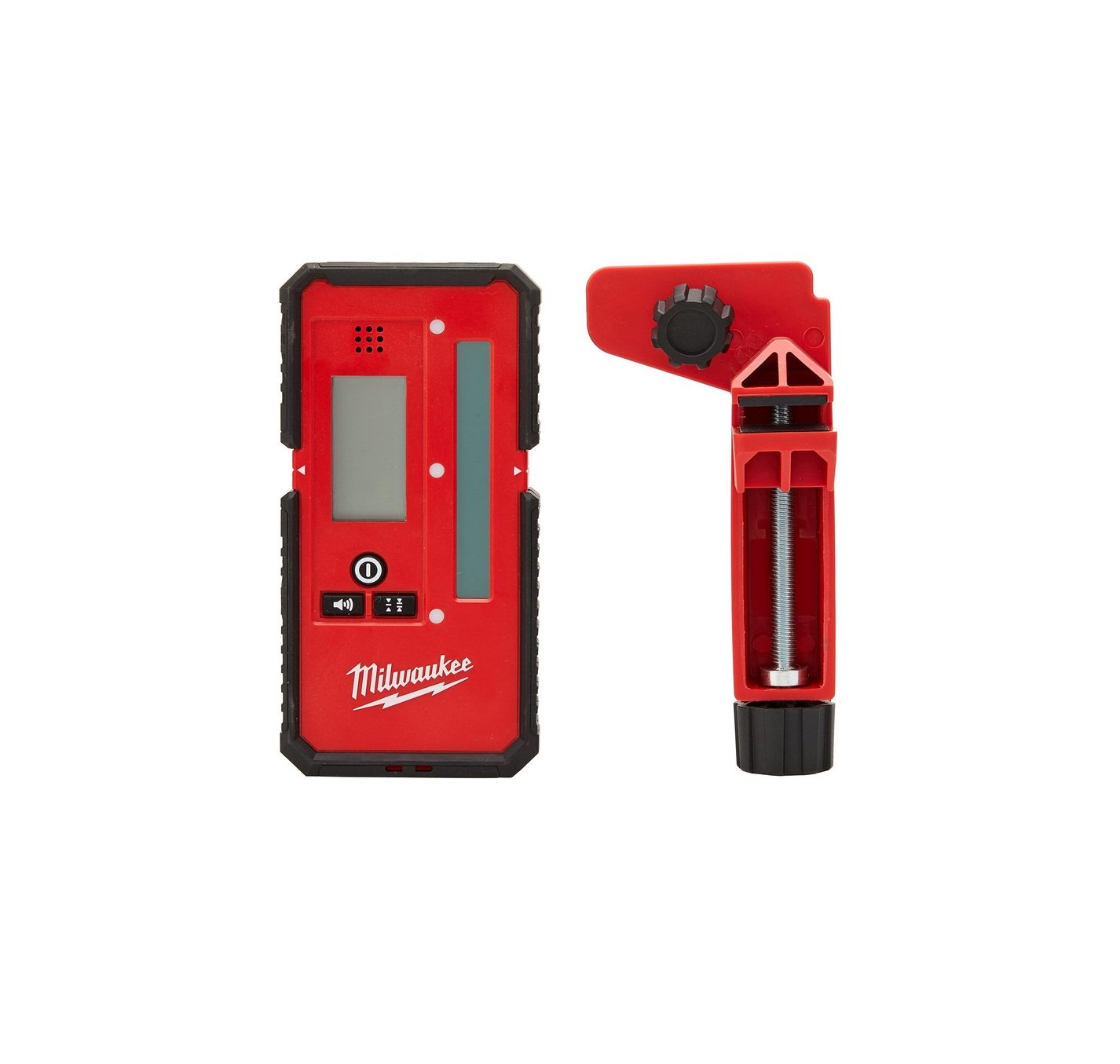
The Milwaukee Electric 165 Laser Line Detector is a sophisticated tool specifically engineered for professionals engaged in layout work. This device plays a crucial role in enhancing precision and efficiency on various projects, including construction, renovation, and interior design. One of the cornerstones of successful layout work is accuracy, and this laser line detector addresses this need with its remarkable capabilities.
The design of the Milwaukee Electric 165 incorporates cutting-edge technology that allows users to effectively detect laser lines over extended distances. With a robust construction, it is built to withstand the harsh conditions often encountered on job sites. The unit’s rugged exterior not only guarantees durability but also facilitates ease of operation, ensuring that measurements can be taken swiftly without compromising reliability.
What sets the Milwaukee Electric 165 apart is its intuitive interface and user-friendly features. Set up is straightforward, allowing even novice users to operate it with minimum training. The device is equipped with bright LED indicators that provide clear visual feedback, making it easy to determine the line’s visibility in various lighting conditions. The extended range capability of the detector enhances its functionality, making it ideal for larger projects where traditional instruments may fall short.
This tool is particularly well-suited for tasks such as wall framing, tiling, and cabinetry installation, where precise alignment is paramount. With the Milwaukee Electric 165 Laser Line Detector, users can ensure that their layout work is accurate and efficient, ultimately contributing to the overall quality of their projects. By investing in this innovative tool, professionals can greatly reduce the potential for errors, save time, and enhance productivity in their layout tasks.
Extended Range and Accuracy: Key Features
The Milwaukee Electric 165 Laser Line Detector stands out in the realm of layout work due to its impressive extended range and enhanced accuracy. This tool operates effectively over a remarkable range of up to 165 feet, significantly surpassing many other detectors on the market. This extended operating range allows professionals to work efficiently on larger projects without the constant need for repositioning the tool, saving both time and effort while maintaining precision.
One of the notable features of this laser line detector is its exceptional detection capabilities in various lighting conditions. The device is equipped with advanced sensors that allow for easy detection of laser lines in bright environments, such as outdoor settings or well-lit indoor spaces. This versatility ensures that professionals can rely on the Milwaukee Electric 165, regardless of the job site conditions, eliminating the potential for misalignment during the layout process.
Precision is another cornerstone of the Milwaukee Electric 165’s offering. This detector ensures accurate alignment, with minimal deviation, which is critical in layout work. The integration of fine-tuned calibration within the device contributes to its reliability, helping professionals to achieve consistent and repeatable results. The precise measurements not only enhance the quality of work but also reduce the risk of costly errors associated with miscalculations.
Moreover, the incorporation of these key features ultimately improves workflow efficiency. By reducing the time spent on corrections and adjustments due to inaccuracies, professionals can focus on completing tasks with greater speed and reliability. The Milwaukee Electric 165 Laser Line Detector thus proves itself to be an invaluable tool for professionals seeking to enhance productivity during their layout work.
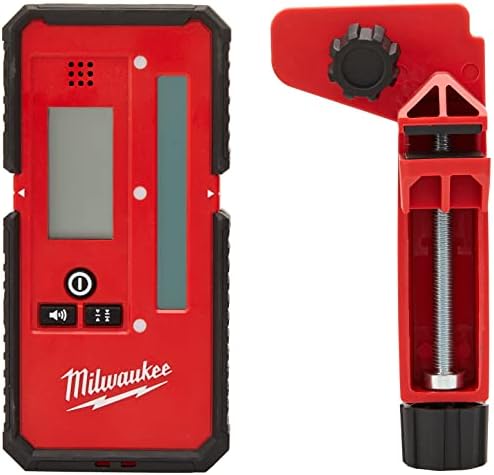
- Long distance alignment LED feedback
- Adaptable placement two magnetic sides
- 1 Meter impact resistance
Practical Applications in Layout Work
The Milwaukee Electric 165 Laser Line Detector is an exemplary tool that enhances accuracy and efficiency across various layout applications. One of its notable uses is in drywall installation. When installing drywall, achieving perfectly aligned sheets is essential to ensure a seamless finish. The laser line detector aids in establishing straight reference lines, allowing installers to work more quickly and precisely, minimizing the potential for errors and reducing material wastage.
Another key application is in flooring alignment. Whether laying tiles, hardwood, or laminate, precise alignment is crucial for both aesthetic appeal and structural integrity. The Milwaukee Electric 165 laser effectively projects level and plumb lines, assisting flooring contractors in marking their layout. By utilizing this tool, contractors can guarantee that each course of flooring is installed accurately, leading to a polished end result that meets both industry standards and customer expectations.
Overhead installations also benefit significantly from the capabilities of the Milwaukee Electric 165 Laser Line Detector. Electrical and plumbing professionals regularly work above ground, necessitating accurate spacing and alignment for ceiling fixtures, ducts, or piping. This laser detector provides a visual reference that ensures all components are aligned symmetrically, mitigating the risk of errors that could lead to costly rework.
The versatility of this tool extends to multiple trades, enhancing layout efficiency in carpentry, electrical, and plumbing work. Carpenters can utilize the laser for framing walls and ensuring proper alignment of structural members, while electricians benefit from precise cable routing and fixture placements. Plumbers rely on this technology to maintain correct slopes and elevations in pipe installations, further emphasizing that the Milwaukee Electric 165 Laser Line Detector is an invaluable asset across various industries.
User Insights
Feedback from users of the Milwaukee Electric 165 Laser Line Detector reveals a strong appreciation for its advanced features and improved accuracy during layout tasks. Many professionals attribute enhanced efficiency in their projects to the extended range capabilities of this laser line detector. One contractor noted, “The Milwaukee 165 has significantly reduced the time I spend aligning my designs. Its measurement precision allows me to focus on executing rather than double-checking every detail.” Such testimonials underscore the practicality of integrating the Milwaukee Electric 165 into professional workflows.
Users have also mentioned the benefits of the device’s intuitive interface. The simplicity of operation has made it accessible not just for seasoned professionals but also for those newer to the industry. A project manager stated, “Even my team members who are relatively inexperienced found the Milwaukee 165 straightforward to use. This ease of use has led to fewer errors in preliminary layout, which in turn accelerates the entire project timeline.” This efficiency may contribute to both cost savings and higher quality outcomes.
However, some users highlight challenges such as battery longevity. Despite this, they emphasize that routine recharging has not hindered their overall satisfaction with the tool. Additionally, professional insights suggest that integrating the Milwaukee Electric 165 with existing technology solutions enhances its utility, making data sharing and collaboration easier on job sites. Overall, the consensus among users points to the Milwaukee Electric 165 Laser Line Detector as a valuable investment in accuracy and efficiency for layout work.
Conclusion
In conclusion, user experiences demonstrate that the Milwaukee Electric 165 Laser Line Detector plays a pivotal role in improving accuracy and efficiency for layout professionals. Through its advanced features, the device has addressed common challenges in the field, solidifying its status as an essential tool in the industry. The positive feedback from users not only highlights its functional capabilities but also emphasizes the potential for professional growth through the integration of such advanced tools.


One Comment